Senior - Experiments
Took welding, fabrication, and design to the next level. Giving back to community via Eagle Scount and NJIT Summer Architecture keept my 2025 fulfilling
Focus Areas
Project Galleries
High School Maker • Builder • Creator
"I can always cut something off, but I can't add it back on" — that's the cornerstone of both engineering and my life.
I am Reyan Bhattacharjee. I'm a senior at West Windsor-Plainsboro High School South, planning to study Industrial Design or Engineering. I've completed NJIT's Summer Architecture and Portfolio Program and work as a lifeguard and swim instructor. I'm also an Eagle Scout and a maker who believes learning happens best when you build.
My best work showcasing woodworking, welding, and creative problem-solving
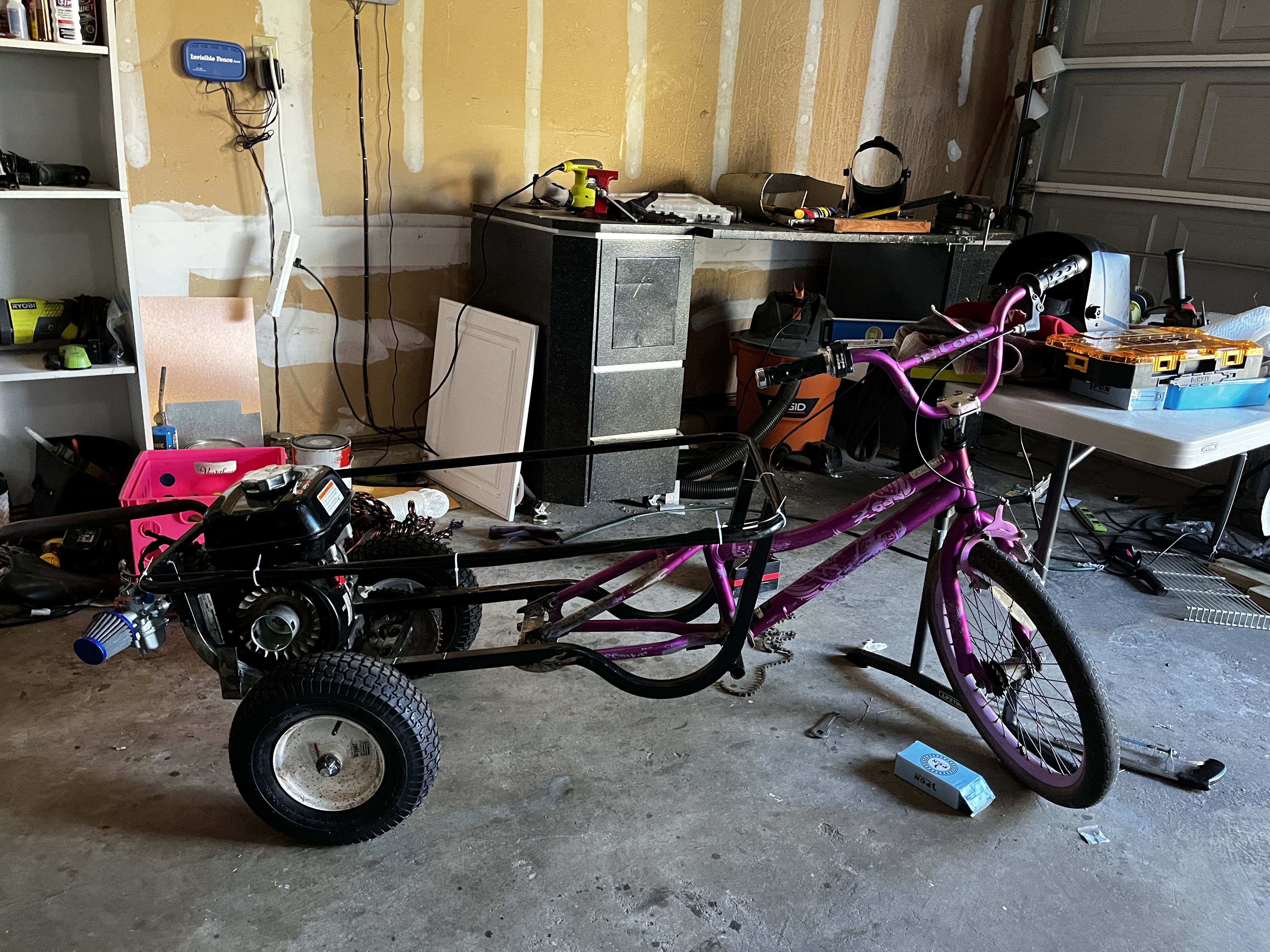
The project began as an exploration of how far I can push my creativity and problem-solving skills with scrap materials and spare parts with limited budget and no formal training. I didn't have a fixed end result in my mind, it evolved with constant problem-solving and continuous learning process. I collected materials, taught myself welding, then through trial, testing and several iterations slowly able to shape the vehicle. As the build progressed I engaged my friends in the process and formed a small team of 3 including me. Together we faced structural and mechanical challenges, brainstormed, troubleshooting issues as they emerged and adapted the design in real-time. The final result is a working go-kart and a record of the entire process of learning by building, facing challenges, problem solving, continuous learning and collaboration. It proves something useful can be built with creativity, effort, problem-solving skill without a big budget
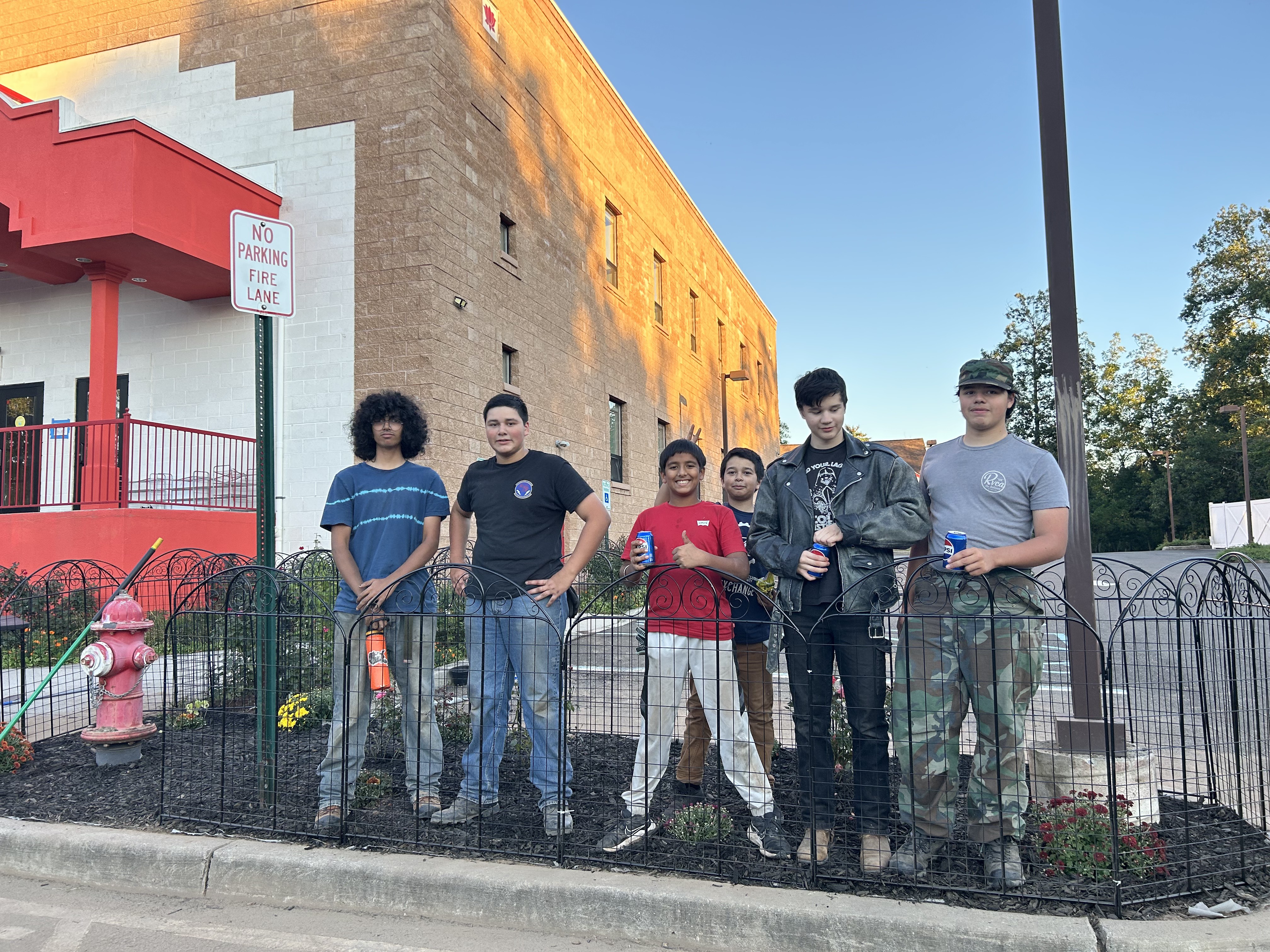
A garden bed for a local temple, this community project was my BSA Eagle Scout service project, where I was responsible for the full planning, design, execution leading a team of 11 volunteers throughout the process. The goal was to convert an overgrown patch of land into a clean, low-maintenance planting area that would remain functional for years. The site was originally covered in dense creeping juniper and required extensive preparation. The area was a long rectangle with one end rounded off into a semi-circle. The process involved clearing existing vegetation, leveling the area, installing weed-prevention fabric, and applying mulch before any planting could begin. Perennials were selected to ensure durability and minimal maintenance. The final layout included large rose bushes surrounded by smaller mum bushes to add variation. While the actual build was completed in three days, the project required months of preparation beforehand, including documentation, approval process, scheduling meeting and coordination among volunteers. This project strengthened my leadership and communication ability to plan at scale, navigate formal approval processes and lead a team for actual execution.
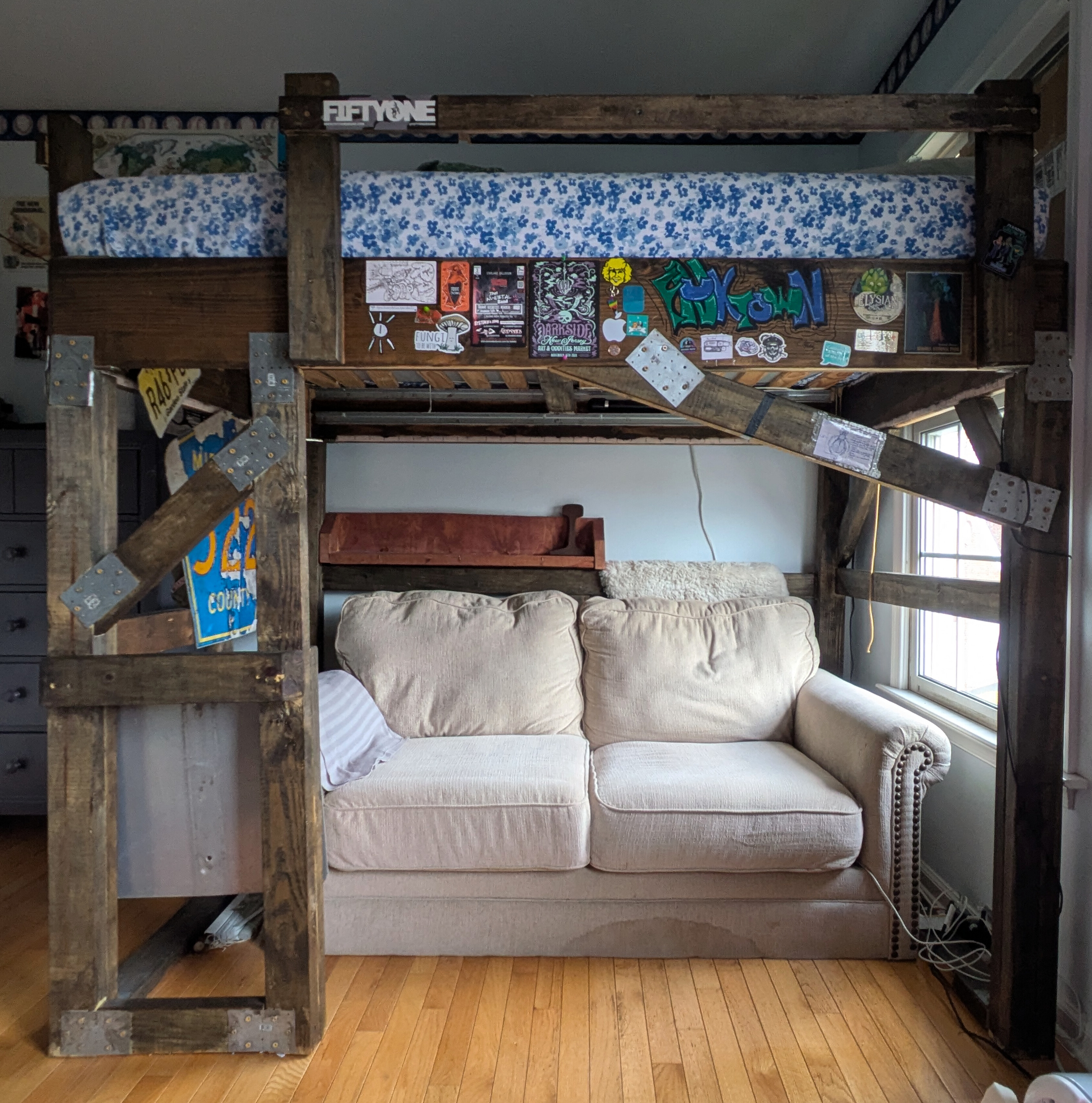
This project began with a practical problem. In a small kids bedroom, a standard twin bed occupied most of the available space, leaving no room for small friend gatherings. When my existing bed frame broke, it pushed me to rethink my space entirely. I decided to design and build a simple loft bed that would elevate the sleeping area and free up space underneath for a small sofa and a utility shelf. My goals were to keep costs low and reuse the mattress and parts of the broken bed frame instead of buying new ones. I planned the design by drawing a full blueprint on a whiteboard, which helped me think through dimensions, structure, and material usage while clearly communicating the plan to my parents. The bed was constructed using stud pine and recycled components, keeping the design simple and rustic. Once assembled, the room felt more open, brighter, and organized.
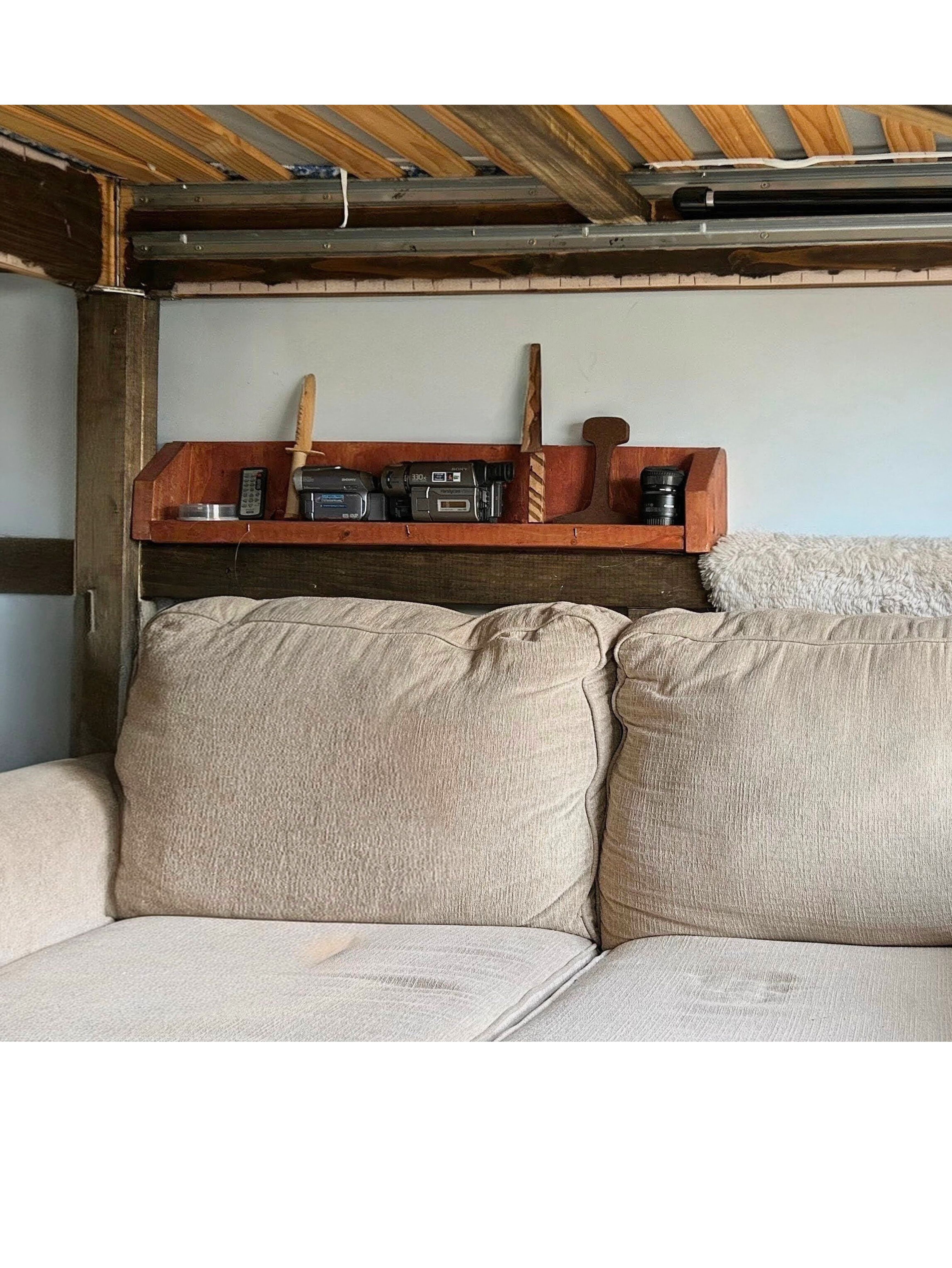
This shelf was a small furniture project intended to function as a floating wall shelf for displaying personal objects. Later when I redesigned my room around the loft bed, the shelf lost its original placement and found a new place under the loft. I modified the piece to rest on the structural support beam of the loft frame, allowing it to serve as a storage and display surface area above the sofa. The shelf is primarily constructed from plywood, it has chamfered edges to soften the form and improve visual balance. A flat back was incorporated to increase structural stability against the beam. Finished with Sedona Red stain, the piece complements the surrounding wood tones while standing out as a deliberate design element.
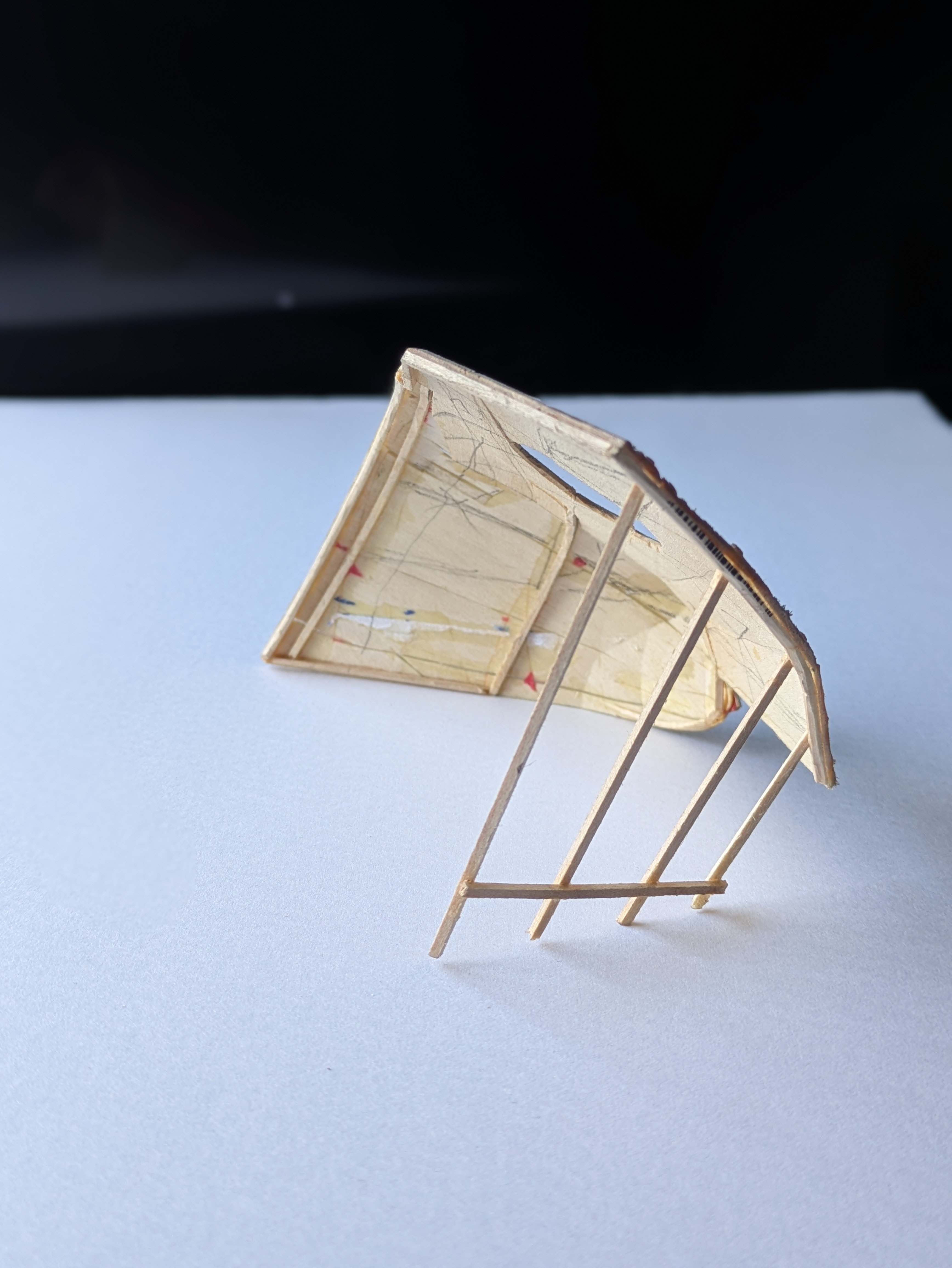
This project was part of a two week long NJIT summer course that I had attended the summer of junior year. The Cave had been designed as a shelter in Harriet Tubman Park, next to the NJIT campus. I had designed the cave to resemble that of a hill, or other natural sloped structure, where people could take shelter under, but wouldn't look too out of place, or not integrated within the park. The Cave was also made out of only two pieces of flat plywood, that were scored and bent to make the ‘Cave’ shape. This was a design challenge I had given myself because it had made the structure stand out, look more well rounded, and meant it could be easily replicated with a variety of materials. Throughout this course, we were taught how to use all sorts of basic blueprinting, and drafting tools like CAD, and hand-drawing skills. This taught me a lot about making blueprints, and how to make scale drawings of my creations. I hope to continue using the knowledge, not only in school and professional settings, but also on my own personal projects going forward.
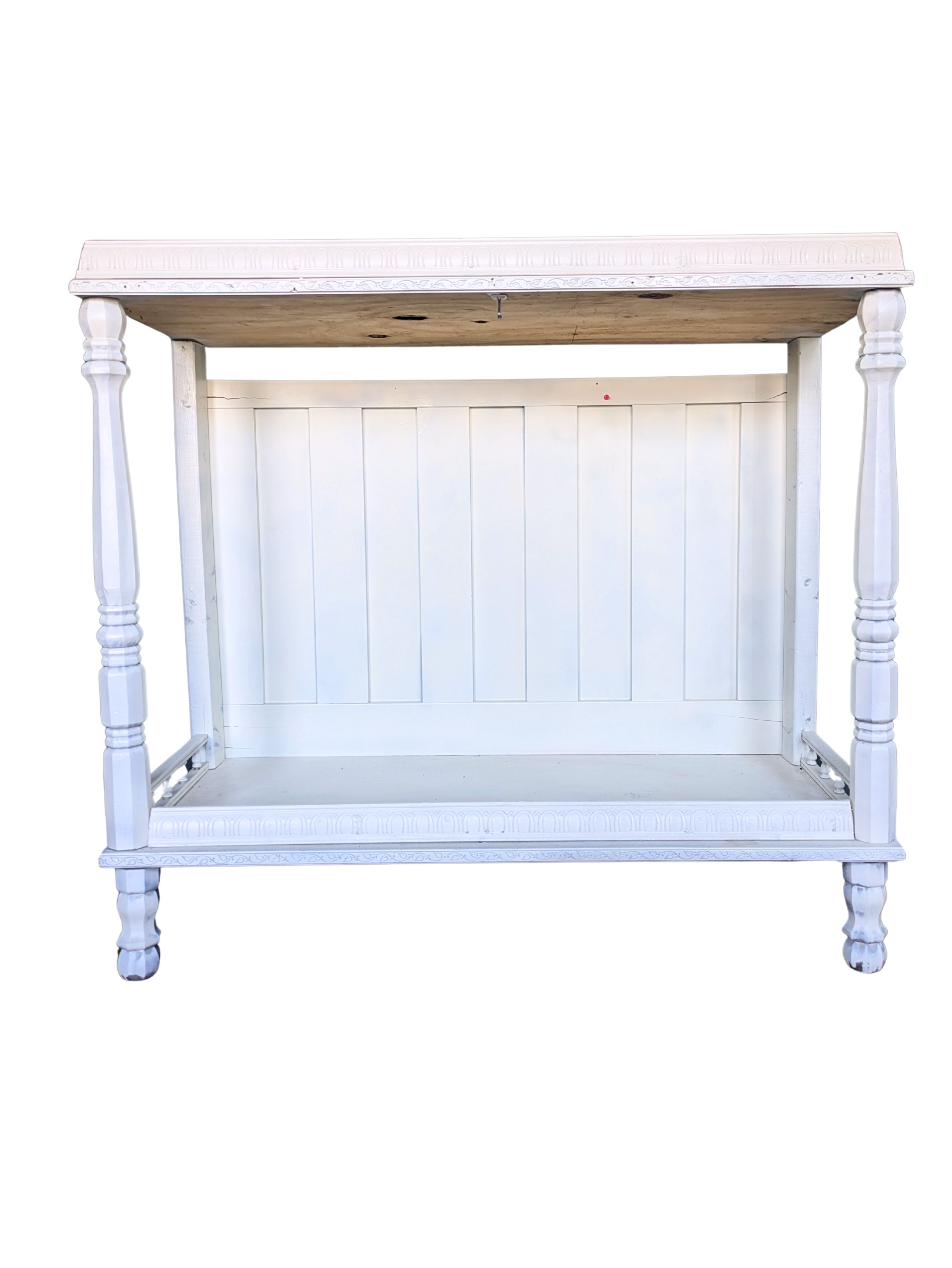
A self-initiated woodworking project designed and built as a gift for my mom. Created to replace expensive, over-ornamented mass-produced temples with a simple, open, and sturdy design that fits our home decor and was built on a very low budget. I realized that these temples sold in shops were structurally no different from tables with added decoration, and I decided to design and build one myself. The store bought ones are not so efficient in terms of internal space usage and they always look like overly decorated closed boxes. My goal was to create something sturdy, minimal, and intentional while keeping costs extremely low. The temple was built using plywood and stair railings, supported by reused sofa feet and a recycled bed backboard, with trim added as nice decoration. Working within a budget of around fifty dollars pushed me to think critically about material selection and recycle unused materials. The temple construction reflects how thoughtful design and efficient material use can replace expensive, mass-produced objects with something personal and efficient.
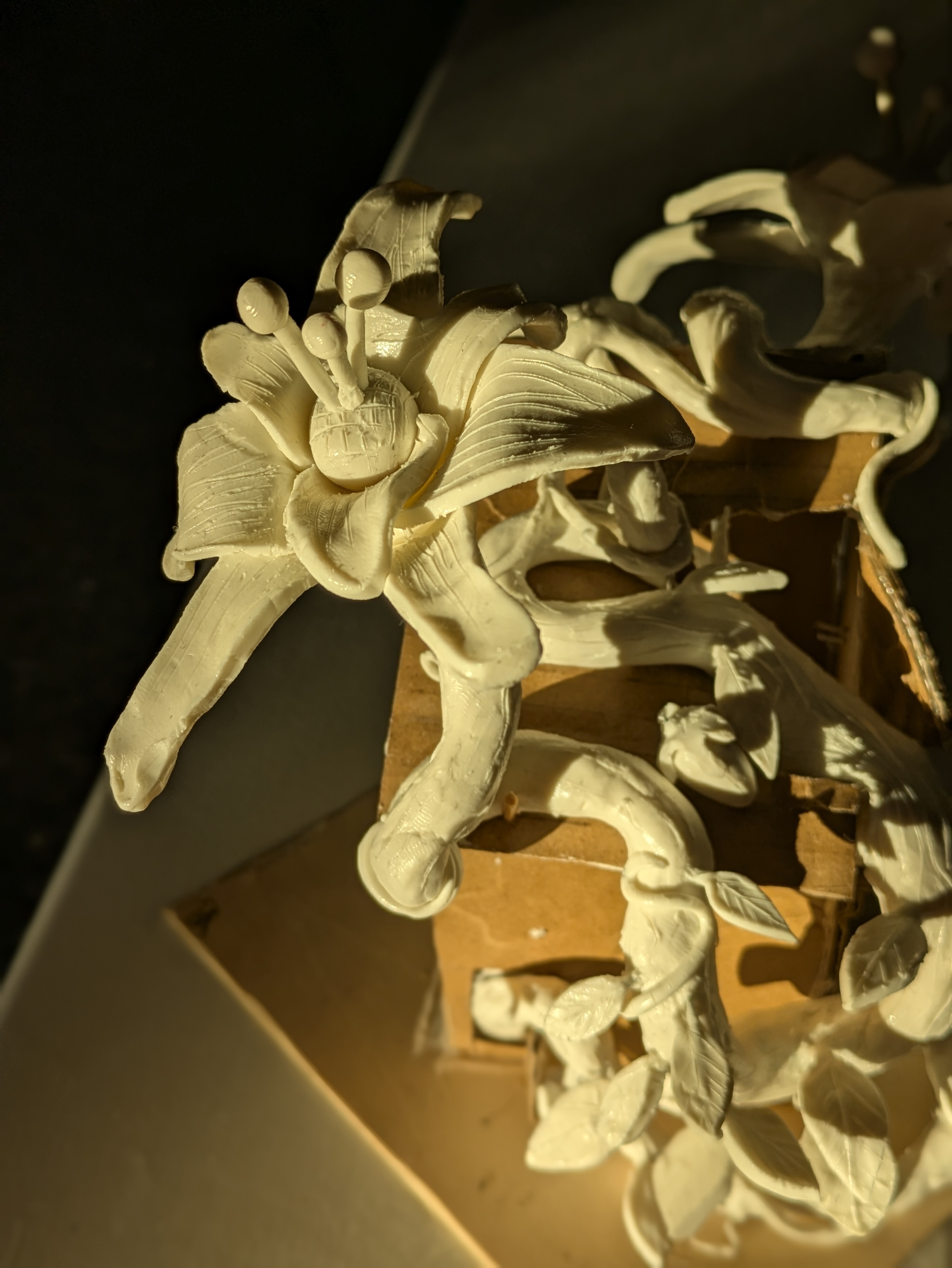
This is one of my favourite sculptures that I made during the summer portfolio building course at HCAD, NJIT. I am a very nature loving person. I spent weekends afternoons, weekdays after school roaming around neighborhood preserve, boating in creeks and the wetlands. I have seen abandoned houses and how nature took over it slowly. I have tried to represent the supreme power of nature over man's creation in this sculpture. Overgrowth, a concept-driven clay sculpture exploring the way that nature takes over human-made creations over time. This sculpture was created during the NJIT summer portfolio workshop as an exploration of the concept Nature vs Industry. Growing up, I spent a lot of time in nature, walking through neighborhood preserves, wetlands and creeks. I closely watched the plant and vine formation, how the well-balanced organic network slowly consumes the abandoned man-made structures. That natural network, balance and reclaim process became the core idea behind this piece. I began the project with a detailed sketch to construct the formation and movement of the vines. It is inspired by the plumbing and electrical systems of our houses, the rigid geometrical network is similar to the flexible network of plant structures. The central structure was built from cardboard glued together, has visible glue marks and glue sticking out to make it look decaying. While wire and clay was used to create the vines, shaped by hand and knife to create flowing, plant-like forms that wrap, climb, and burst outward. Through this process, I focused on how soft, irregular growth can visually overpower a stable geometric base. The final sculpture reflects my interest in the study of formation, balance and transformation found in nature and how they are applied in real-world designs.
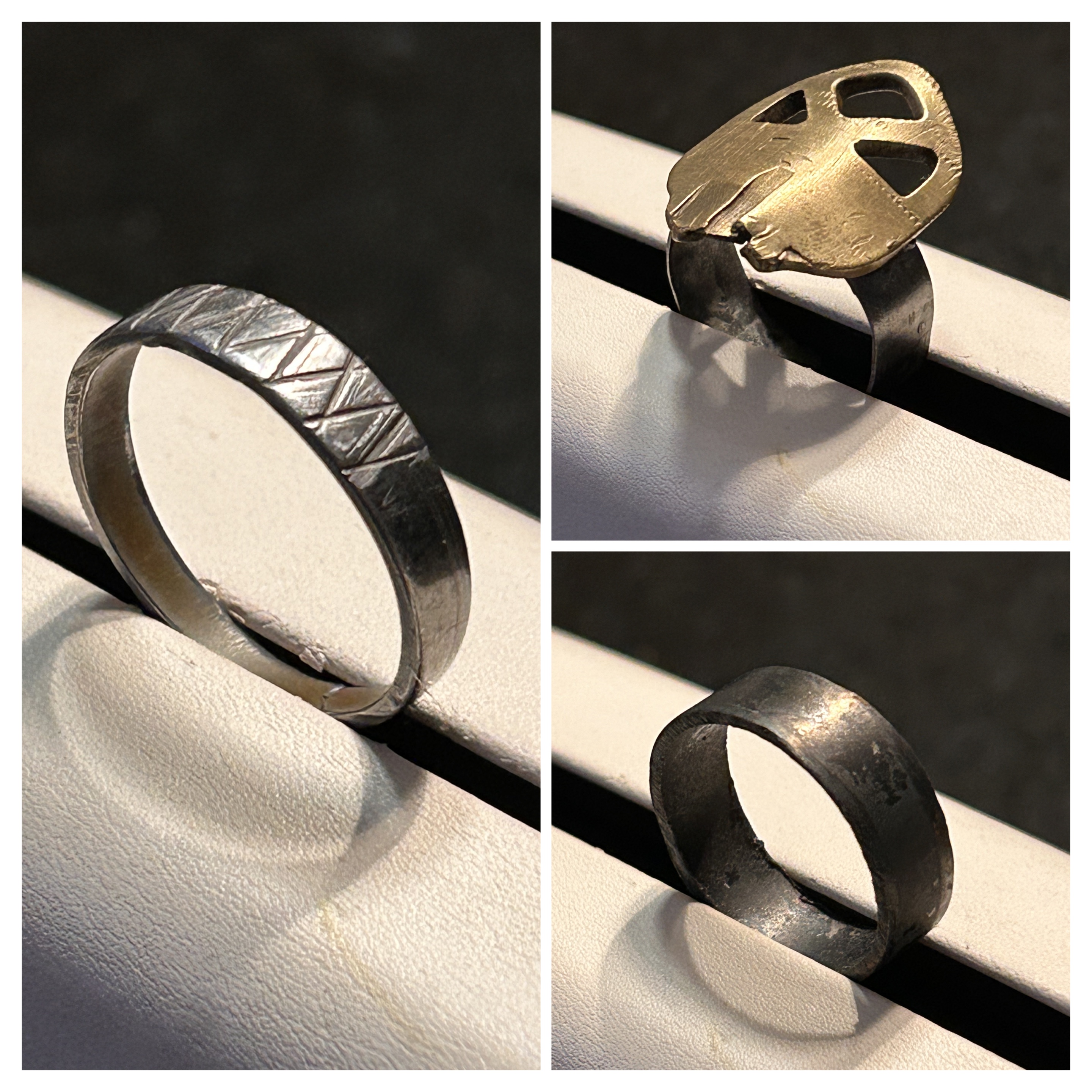
These projects represent my early exploration into metalwork during my freshman-sophomore year of high school. I began with small-scale pieces like wire pendants designed as Christmas ornaments and rings made as gifts for my family. I learned shaping, surface detailing, and basic fabrication through hands-on experimentation. The knife and restored hatchet marked a turning point in my learning. Completing these tools gave me the confidence to take on more ambitious metal and mechanical projects I did later on.
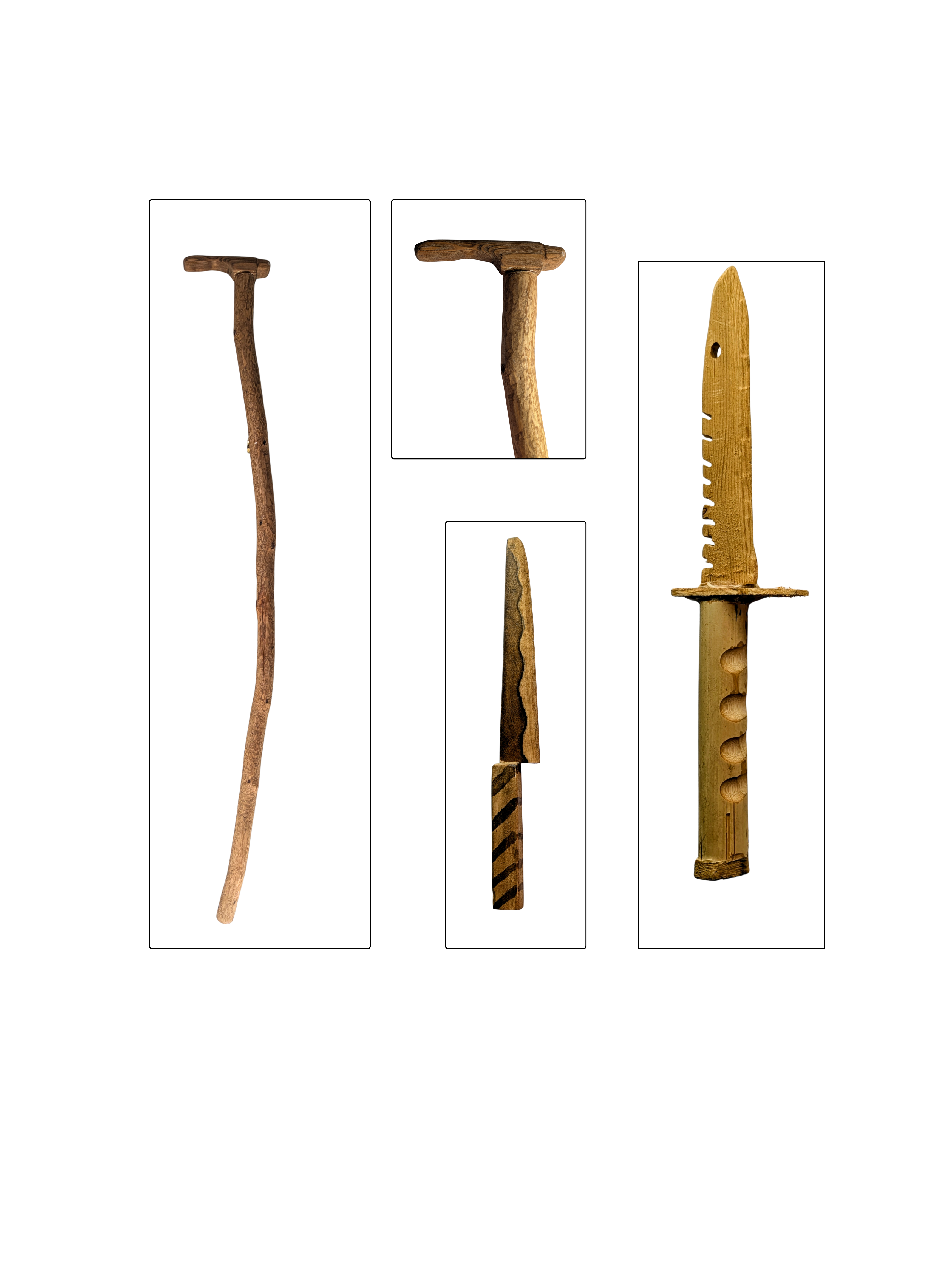
These woodworking projects were created during my freshman and sophomore years when I was exploring form, material, and process. These are my absolute favourite pieces, reflecting my early maker journey and remain displayed in my room as room decor. While making the wooden cane I focused on surface refinement through hours of hand sanding and waxing. I experimented with an ancient Japanese wood-preservation technique called Shou Sugi Ban on the handle to study texture and durability. Several sketches have been done before finalizing the design of the knives. Those require careful consideration of proportion, grip, and structure. Together, these projects built my foundation in craftsmanship, iterative design, and material exploration, and prepared me for more bigger projects later on.
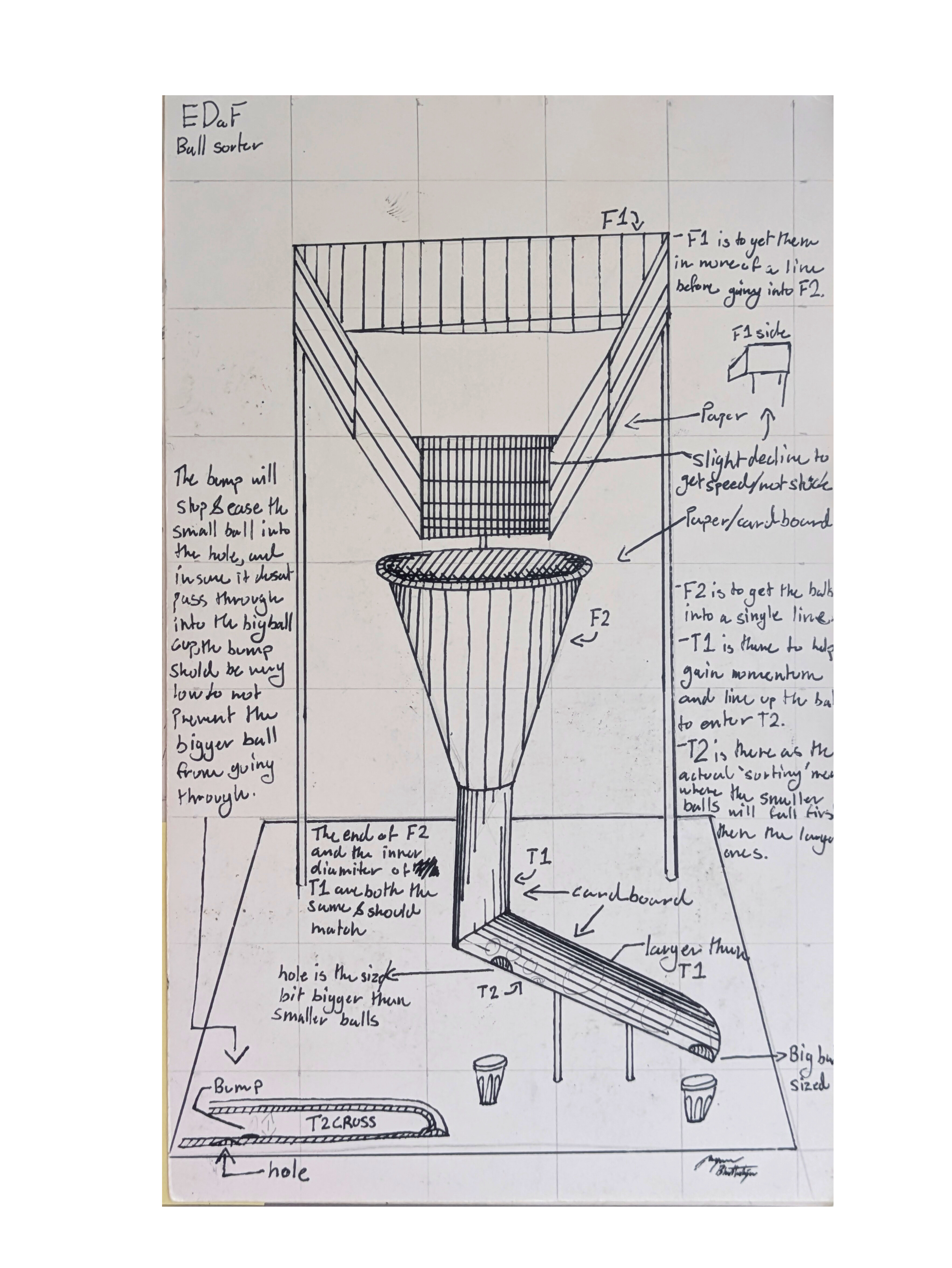
Design engineering projects from school, including the ball sorter mechanism and other engineering challenges.
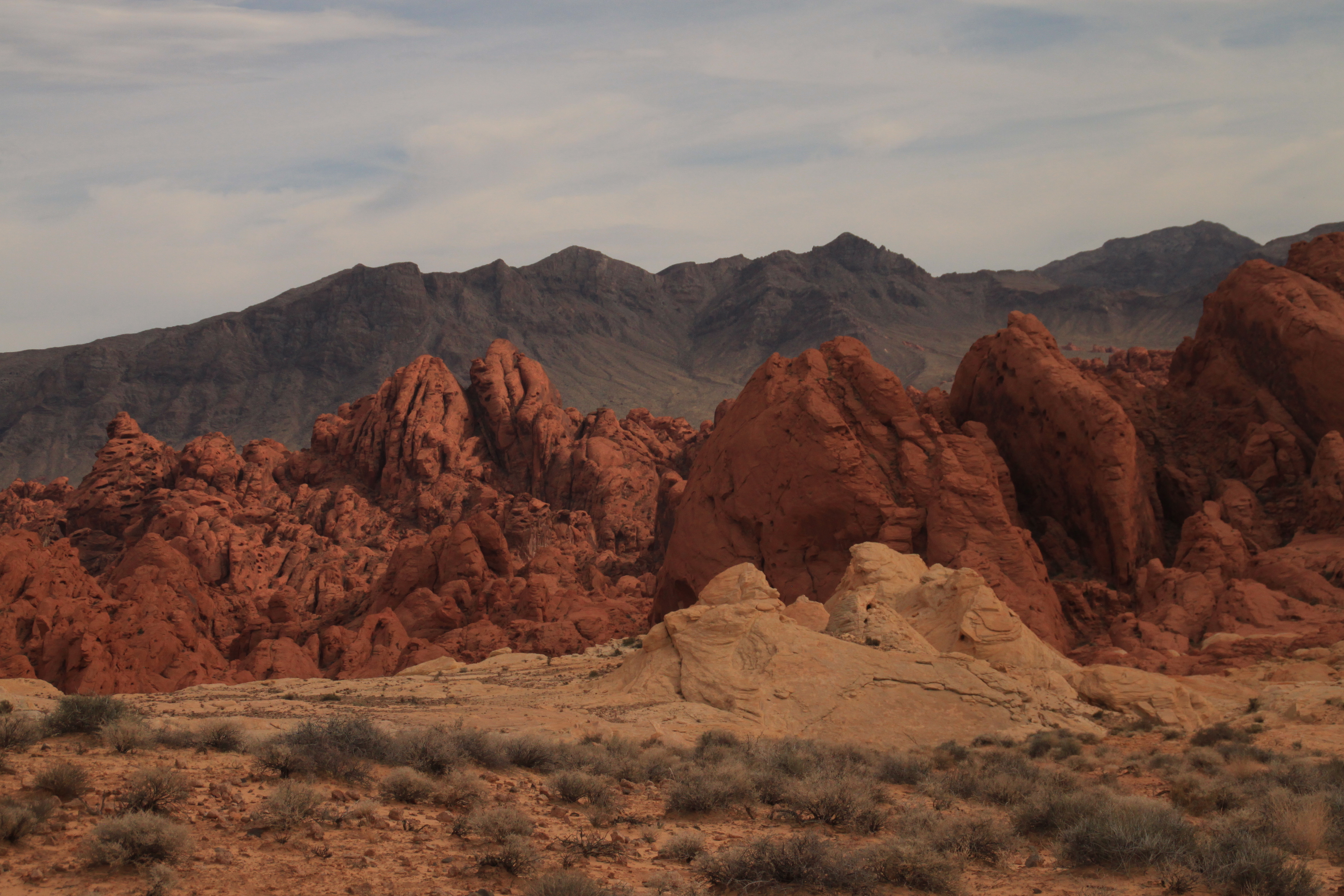
These are moments I captured that felt interesting to me, small details, cool lighting, and scenes most people walk past. Photography helps me slow down and notice things.
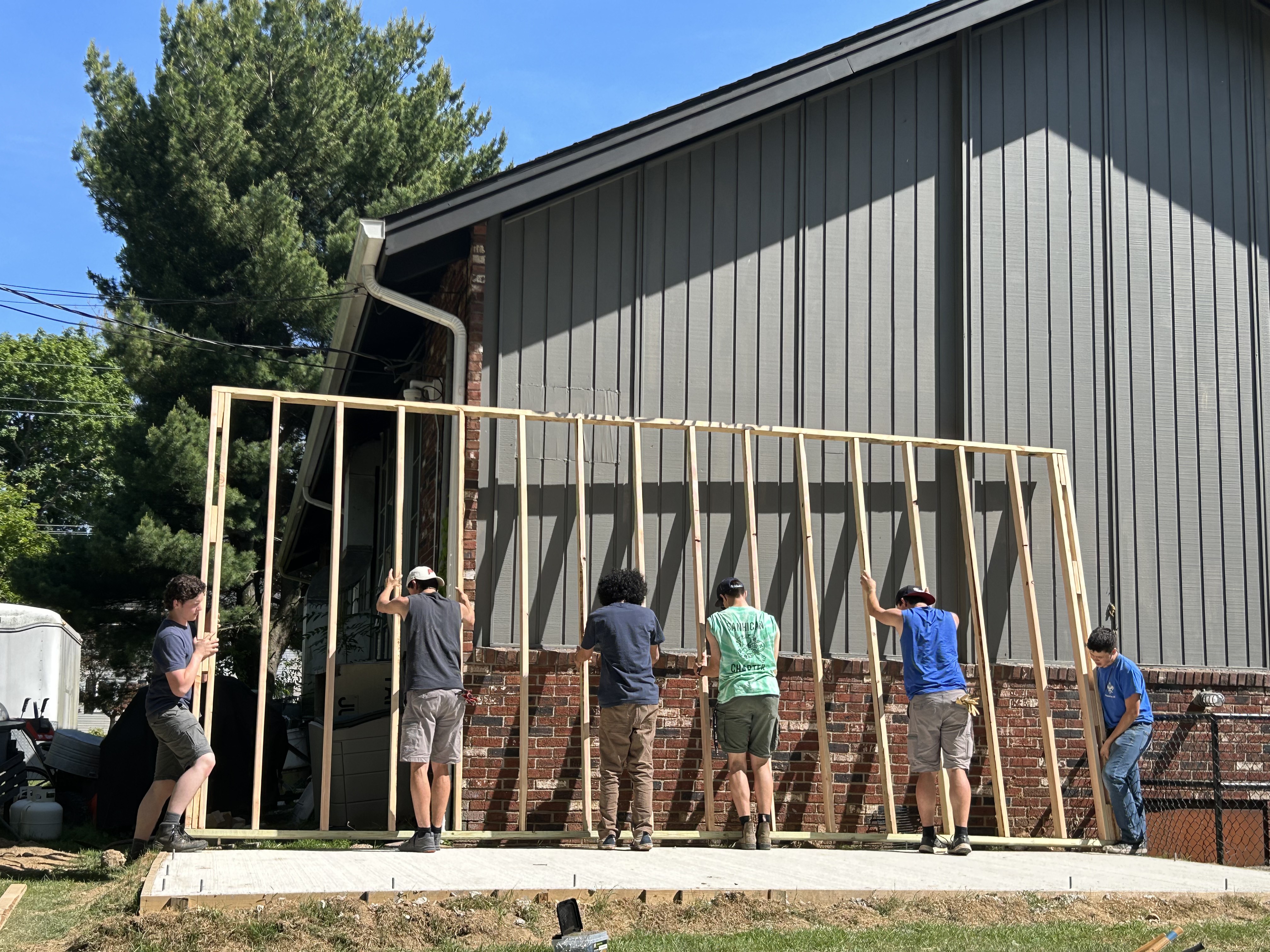
Large storage shed for a local church, which is a collaborative construction project helping a friend complete his Eagle Scout. While a shed may sound simple, the structure measured approximately 11 feet by 8 feet, close to a small room than a typical backyard build. Because of the scale and complexity of the project, experienced professionals guided us through the process, introducing proper construction techniques and safety practices. This was my first opportunity to work alongside professionals in the field, observe how large projects are executed step by step, and understand how teamwork and expertise come together to solve real problems. This project taught me how hands-on collaboration, planning, and proper guidance can turn an idea into a finished structure.
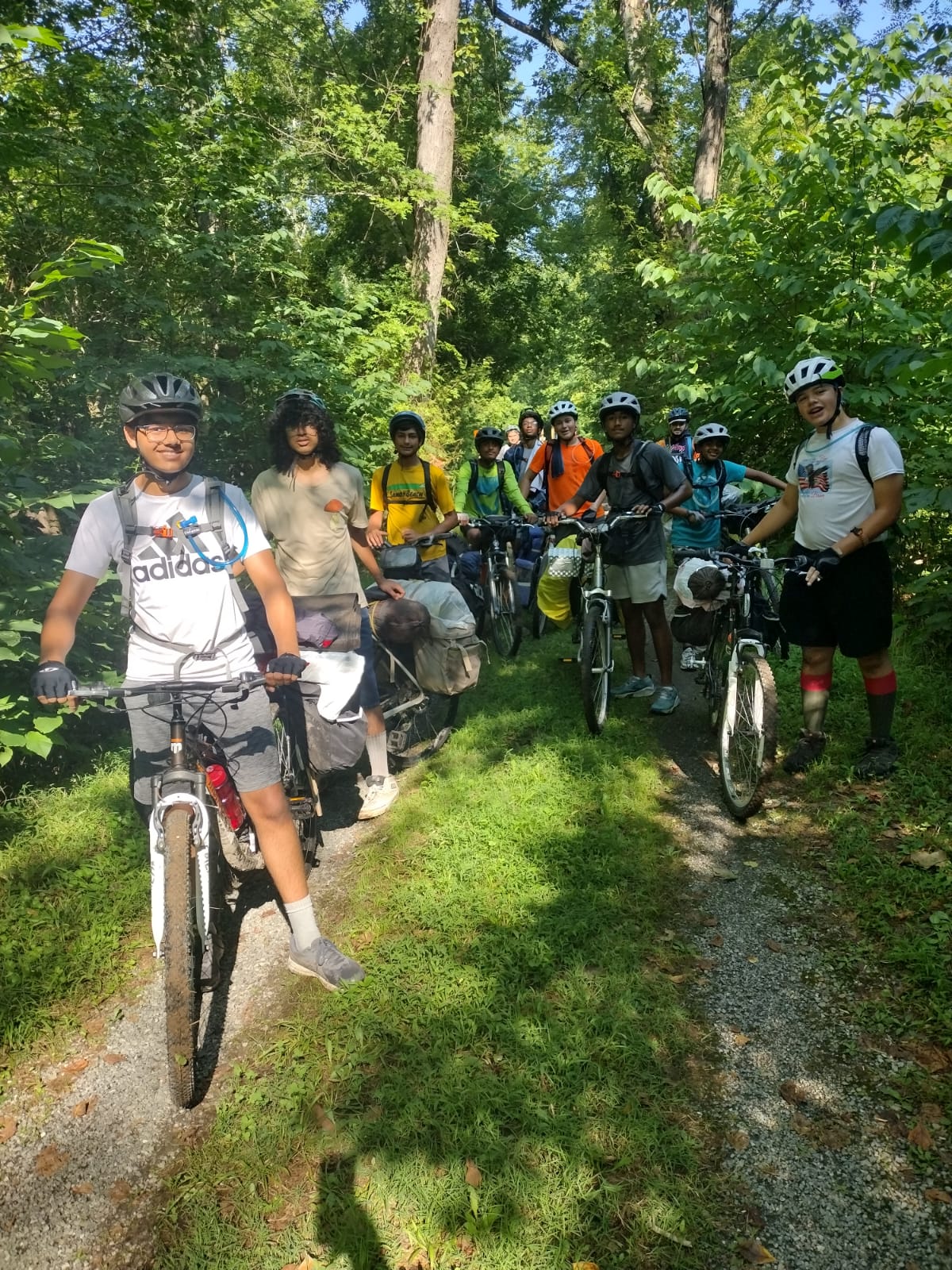
Boy Scouts has always been a huge part of my life. Because of this, I have taken every opportunity I had to go on the BSA trips my troop hosts. These ‘High Adventure’s are around week long expeditions, meant to challenge older scouts in outdoor activities. The following images contain pictures on many separate trips, and years of memories.
From lake house forts to welding labs—every stop builds the builder I am.
Took welding, fabrication, and design to the next level. Giving back to community via Eagle Scount and NJIT Summer Architecture keept my 2025 fulfilling
Focus Areas
Project Galleries
Wood working became by defacto passion for 2024. From Custom Bed to Temple construction it was fun 2024
Focus Areas
Project Galleries
Prototyped tools, art pieces, and layout studies to sharpen hands-on design instincts.
Focus Areas
Project Galleries
Outdoors, hiking, biking, boating, camping - these were are themes of 2022
Focus Areas
Project Galleries